
Overview of Trading and Risk Management Software
Trading and risk management software serves as an essential tool for traders and proprietary (prop) trading firms, enabling efficient order execution, comprehensive risk controls, and robust portfolio management. These platforms streamline complex trading workflows by integrating real-time data analysis, automation features, and advanced reporting capabilities, thereby enhancing decision-making processes and operational efficiency. Whether handling equities, derivatives, or forex, these solutions help traders manage large volumes of transactions swiftly while maintaining discipline through embedded risk parameters. Their importance becomes evident in high-stakes environments where quick reactions and accurate risk assessments are vital to safeguarding capital and optimizing profit potential.

At its core, trading and risk management software integrates multiple functionalities into a cohesive platform, offering real-time market data feed consolidation, automated trade execution, and risk assessment modules. These platforms are designed to support traders with decision-making insights, automate routine trading tasks, and enforce risk controls to prevent excessive losses. Developed with sophisticated algorithms and user-friendly interfaces, they allow traders to set predefined trading parameters, monitor positions continuously, and respond swiftly to market movements. As markets evolve in complexity, the role of such software becomes more prominent, providing traders and firms with the competitive edge necessary for success.
Key Features of Trading Software Platforms
- Real-Time Market Data Analysis
- Automated and Manual Order Execution
- Comprehensive Portfolio Overview
- Advanced Charting and Technical Analysis Tools
- Customizable Trading Algorithms
- Multi-Asset Class Support
- Integration with Brokerage Accounts
- Robust Risk Control and Limit Settings
Role of Risk Management in Trading Software
Risk management functionalities are integral to trading software platforms, providing traders with mechanisms to control and mitigate potential financial losses. These features include setting stop-loss and take-profit levels, margin controls, and position size restrictions. Effective risk management ensures that trading decisions adhere to predefined risk appetite, preventing impulsive trades driven by market volatility. With real-time monitoring and automated alerts, traders can promptly adjust their positions or exit trades when risk thresholds are breached. This proactive approach helps preserve capital and maintain long-term trading sustainability, especially critical in volatile or unpredictable markets.
Prop Firm and Proprietary Trading Software Solutions
Prop trading firms rely on specialized software solutions tailored to their operational models. These platforms integrate advanced trade execution systems with comprehensive risk controls, enabling traders to execute high-frequency trades efficiently while maintaining strict adherence to firm-specific trading strategies. Proprietary trading software often includes features such as custom algorithm development, real-time profit and loss tracking, and detailed compliance reporting. The primary goal is to maximize profitability within a controlled risk environment, ensuring traders operate within the firm’s investment parameters and regulatory standards.
Online and Day Trading Software Platforms
Platforms designed for online and day traders focus on providing rapid access to markets, real-time data, and swift trade execution capabilities. These platforms are characterized by intuitive interfaces, powerful analytical tools, and integrations with various exchanges and brokerages. They support a wide range of instruments, allowing traders to capitalize on short-term price movements across markets. Features such as hotkeys, algorithmic trading options, and real-time news feeds help day traders make rapid, informed decisions, ultimately boosting trading efficiency and potential profitability.

Use of AI in Trading and Risk Management Software
Artificial intelligence (AI) has become a transformative element in the evolution of trading and risk management software. AI algorithms analyze vast datasets to identify trading opportunities, optimize entry and exit points, and adapt to changing market conditions. Machine learning models enhance predictive capabilities, reducing the lag between market movements and trading responses. Additionally, AI-driven risk management modules dynamically adjust risk controls based on real-time market volatility and trader behavior, providing more adaptive and resilient trading environments. The integration of AI fosters smarter trading decisions, improved efficiency, and enhanced risk mitigation strategies.
Choosing the Right Trading and Risk Management Software
Selecting appropriate software involves assessing key factors such as compatibility with trading assets, user interface design, and feature set. Traders should consider the software's ability to support their trading style—whether scalping, swing trading, or long-term investing—and ensure it offers sufficient automation and customization options. Additionally, a reliable platform should provide strong risk controls, real-time data feeds, and comprehensive reporting tools. Security protocols and customer support are also crucial components to evaluate. Properly selected software enhances trading efficiency, supports disciplined risk management, and aligns with individual or firm-specific strategies.
Future Trends in Trading and Risk Management Software
The landscape of trading and risk management software is continuously evolving, driven by technological advancements and market demands. Future developments are expected to include greater integration of AI and machine learning, increased use of cloud computing for scalability, and enhanced automation capabilities. As data complexity grows, next-generation platforms will focus on delivering smarter, more adaptive tools that predict market shifts and adjust risk parameters in real-time. Additionally, security features will be fortified to safeguard sensitive trading data and comply with regulatory standards. These innovations aim to empower traders and firms with resilient, efficient, and highly personalized trading environments for the increasingly sophisticated financial markets of tomorrow.
Core Functionalities in Trading and Risk Management Software
Effective trading and risk management software must incorporate a comprehensive suite of features that optimize decision-making and control potential losses. Primary capabilities include real-time market data processing, advanced order execution options, and customizable alerts to respond swiftly to market fluctuations. These functionalities enable traders to execute strategies efficiently, regardless of trading style or asset class.
Another vital component is sophisticated charting and analytical tools. These allow traders to perform technical analysis, identify patterns, and make informed decisions based on historical data and predictive indicators. The integration of multiple data sources ensures a comprehensive view of market conditions, fostering better risk assessments and strategic planning.
Automation features such as algorithmic trading and script-based strategies serve as pivotal elements in modern platforms. They facilitate the rapid execution of trades, reduce emotional biases, and enforce predefined risk limits. Customizable order types like stop-loss, take-profit, and trailing stops are essential for effective risk control, tailored to individual trading plans and risk appetite.

Integration with other software systems enhances operational efficiency. These include accounting tools, data feeds, and third-party analytics services. Compatibility with various operating systems and hardware also ensures flexibility, allowing traders to operate seamlessly across devices and locations.
Security and Regulatory Compliance in Trading Software
Security remains a fundamental aspect of trading and risk management software, with encryption protocols, multi-factor authentication, and access controls safeguarding sensitive information. Given the critical nature of trading data, platforms must adhere to industry standards for data privacy and integrity.
Furthermore, compliance features such as audit trails, reporting tools, and adherence to regulatory frameworks help traders and firms avoid penalties and maintain transparent operations. Regular updates and patches ensure the platform continues to meet emerging security threats and regulatory requirements.
Assessing User Experience and Support Services
User interface design significantly impacts efficiency; intuitive dashboards, customizable layouts, and responsive alerts foster a productive trading environment. Training resources, customer support, and community forums further enhance usability, ensuring traders can maximize the platform’s capabilities.

High-quality user support—including technical assistance, educational materials, and regular updates—provides reassurance and facilitates rapid problem resolution. Platforms that emphasize user-centric design and robust support structures tend to promote sustained trading success and risk control.
Understanding Risk Control Mechanisms within Trading and Risk Management Software
Effective risk management is essential for traders aiming to protect their capital and optimize their trading strategies. Modern trading platforms incorporate a variety of sophisticated tools designed to mitigate potential losses and adapt to rapid market changes. Central to these tools are features such as stop-loss orders, which automatically close positions when prices reach predetermined levels, minimizing downside risk. These orders are particularly valuable in volatile markets where price swings can impact trades unexpectedly.
Position sizing techniques involve algorithms and calculations that help traders determine the optimal number of units to trade based on their risk appetite, account size, and market conditions. Proper position sizing ensures that no single trade can disproportionately impact the overall trading account, thereby maintaining balance and reducing exposure to significant losses.
Margin monitoring functions continuously evaluate traders’ leveraged positions, providing alerts when margins approach critical thresholds. This feature helps prevent margin calls and forced liquidations by ensuring traders maintain adequate collateral and avoid overleveraging, which can compound losses during adverse market movements.
Real-time alerts are vital for prompt decision-making. They notify traders of significant market events, price movements, or reaching of risk thresholds, enabling swift action to either capitalize on opportunities or cut losses. These alerts can be customized based on specific criteria, ensuring traders receive relevant information tailored to their trading styles and risk preferences.
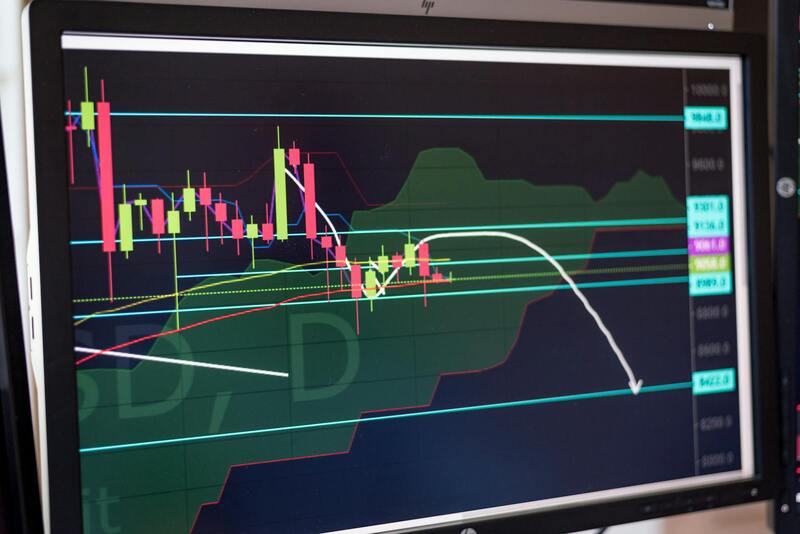
These risk control tools are often complemented by advanced analytics and reporting features. Such functionalities help traders analyze their trades, identify patterns, and refine risk management strategies over time. Platforms that seamlessly integrate these features facilitate a disciplined approach, ensuring traders stay within their risk parameters without compromising potential gains.
Integrating Automated Risk Controls for Consistent Results
Automation plays a pivotal role in maintaining consistency in risk management practices. Automated trading systems can implement predefined risk controls without manual intervention, reducing emotional influences and human error. For instance, algorithms can automatically execute stop-loss or take-profit orders based on real-time data analysis, ensuring rapid responses that align with trader-defined risk limits.
Successful integration of automation requires robust testing and calibration to adapt to changing market conditions. Traders need to ensure that automated features are finely tuned to avoid premature exits or missed opportunities, thereby balancing risk control with trading performance.

By leveraging these advanced risk control mechanisms, traders can effectively navigate turbulent markets, limit losses during downturns, and preserve capital for future opportunities. Proper implementation of risk management software leads to more disciplined trading practices while freeing traders from the burden of constant manual monitoring, allowing focus on strategic decision-making and long-term growth.
Advanced Techniques for Managing Trading Risk
Effective trading and risk management software incorporates sophisticated methodologies to safeguard capital and optimize trading strategies. These techniques include dynamic position sizing, volatility-adjusted stop levels, and real-time portfolio diversification controls. Dynamic position sizing adjusts the volume of trades based on current risk exposure and market volatility, helping traders maintain consistent risk levels regardless of market fluctuations. Volatility-adjusted stop levels, on the other hand, utilize real-time data to set stop-loss points that adapt to prevailing market conditions, reducing the chances of premature exits caused by normal price swings. Additionally, comprehensive trade tracking and analytics empower traders to identify patterns and refine risk parameters continually. Visual dashboards offer instant insights into open trades, margin utilization, and stress-test scenarios, enabling proactive adjustments when necessary. Portfolio diversification tools within the software help allocate assets across different instruments or sectors, minimizing systemic risk and reducing exposure to isolated market shocks. The integration of these advanced risk management techniques within trading software is essential for maintaining stability in volatile environments. Automated alerts notify traders of potential breaches to predefined risk levels, prompting immediate action before losses escalate. This proactive approach ensures that trading capital is protected and that risk-adjusted returns are optimized over time.

Automated Risk Control Mechanisms
Automation plays a central role in preserving risk discipline. Automated risk control mechanisms execute predefined protocols such as stop-loss orders, margin adjustments, and position scaling, often in milliseconds. These systems rely on complex algorithms that monitor market movements and account metrics constantly, ensuring traders’ risk exposure remains within set boundaries even during high-volatility periods. Beyond basic stop-loss placement, automated systems can incorporate trailing stops that move dynamically with price actions, locking in gains while managing downside risk. Margin call automation alerts traders when capital falls below required thresholds, prompting timely corrective actions. Furthermore, automation facilitates scenario testing, allowing traders to simulate various market conditions and evaluate potential risk impacts without manual effort. Effective implementation of these systems requires rigorous calibration to align with specific trading styles and market conditions. Overly aggressive parameters may result in premature trade exits, while too lenient settings might expose capital to unnecessary risk. Consistent review and fine-tuning are essential to strike the right balance, ensuring that automation enhances overall risk management practices seamlessly.
Understanding the Integration of Automated Risk Monitoring and Control Systems
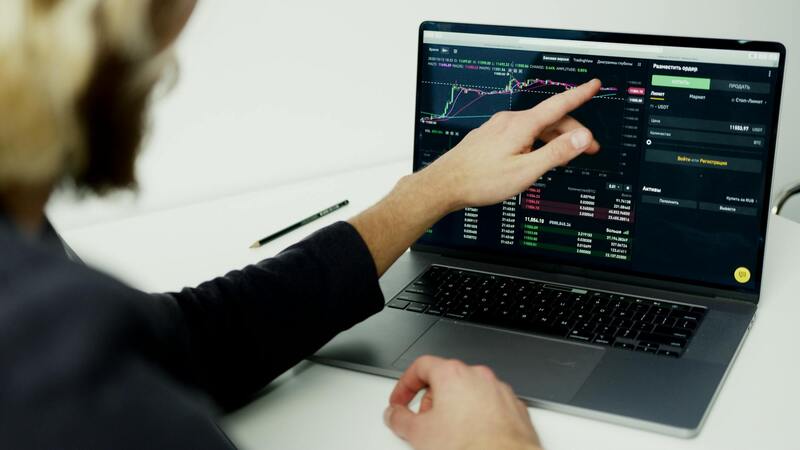
In the realm of trading software, automation is integral to effective risk management. Advanced algorithms monitor real-time market data, account balances, and position sizes continuously, enabling instant response to market volatility and ensuring traders adhere to their predefined risk parameters. These control systems are designed to execute commands such as stop-loss, take-profit, or margin adjustments precisely when certain conditions are met, minimizing human error and emotional decision-making.
For instance, trailing stops dynamically adjust as prices fluctuate, securing profits while limiting downside exposure. Margin call automation provides timely alerts or automatic position liquidation if account equity drops below critical levels, maintaining operational safety. Additionally, scenario testing features allow traders to simulate possible market conditions, assessing how different risk parameters might perform under various scenarios, thus refining their trading strategies proactively.
Effective calibration of these automated systems is crucial. Overly conservative settings might lead to premature trade exits or missed opportunities, whereas too aggressive configurations could expose capital to excessive risk. Continuous review and adjustment of these parameters are essential, aligning automation logic with evolving market conditions, trading styles, and risk appetite. The balance ensures that automated risk controls support a trader’s strategies without becoming obtrusive or counterproductive.

Benefits of Automation in Trade Security
- Speed and Precision: Automated systems respond faster than manual interventions, executing trades at optimal moments.
- Consistency: Automated risk controls eliminate emotional biases, ensuring disciplined adherence to risk protocols.
- Scenario Analysis: Simulations help traders understand potential outcomes and refine strategies accordingly.
- Disaster Prevention: Margin alerts and automatic position closures prevent catastrophic account losses.
- Operational Efficiency: Automation reduces the need for constant manual oversight, freeing traders to focus on strategy development.
Implementation and Fine-Tuning
Successful integration of automated risk management features involves meticulous parameter setting. Traders should establish clear thresholds for stop-loss and take-profit levels, margin calls, and position sizing. Regular backtesting against historical data and forward testing in paper trading environments help optimize these settings, ensuring they perform reliably during live trading conditions.
Furthermore, adaptive algorithms that learn from ongoing market activity may provide additional resilience, adjusting risk parameters dynamically based on volatility and liquidity conditions. Maintaining comprehensive logs of automated actions aids in post-trade analysis, allowing traders to identify strengths and weaknesses of their risk management system, leading to continuous improvement.
Role of Risk Management in Trading Software
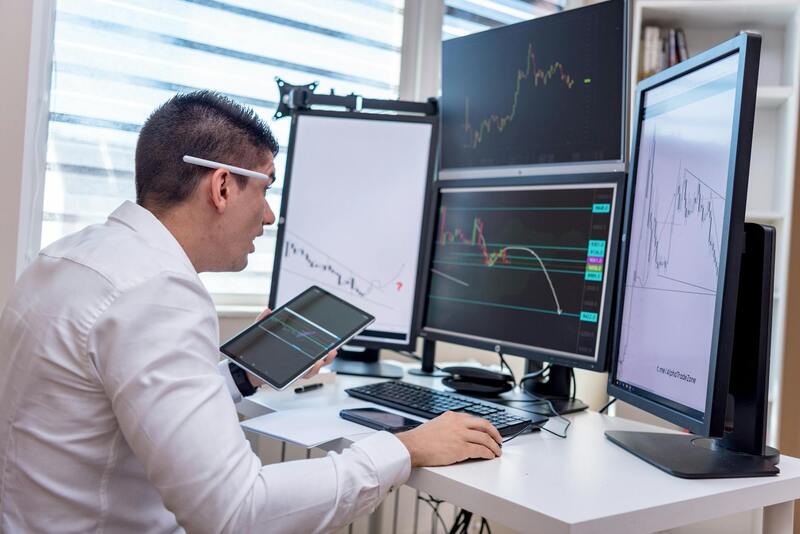
Effective risk management is a cornerstone of successful trading software, providing traders with indispensable tools to navigate fluctuating market conditions while protecting their capital. Modern trading platforms incorporate sophisticated automated risk controls that monitor market movements and trading activities in real time, actively managing exposure based on pre-set parameters. This proactive approach minimizes the potential impact of adverse events, reducing the likelihood of significant financial losses.
Automated risk management functions include dynamic position sizing, real-time stop-loss and take-profit adjustments, and margin monitoring. These features enable traders to set risk thresholds aligned with their overall strategy and risk appetite, ensuring consistent adherence to predetermined risk levels. When market volatility exceeds expected thresholds, the software can automatically close or adjust positions, preventing overexposure. Additionally, comprehensive risk dashboards offer transparent visualization of current risk metrics, allowing traders to oversee their portfolio’s health at a glance and make informed decisions swiftly.
Furthermore, integration of scenario analysis tools within trading software platforms allows traders to simulate various market scenarios and assess potential outcomes without risking real capital. These simulations support the development of robust trading strategies that can withstand unexpected market swings. Regular stress testing and historical backtesting further refine risk models, aligning them with evolving market dynamics and ensuring they respond effectively during periods of heightened volatility.
Advanced algorithms, including those powered by artificial intelligence, can dynamically learn from ongoing market behaviors to optimize risk parameters in real time. Such adaptive systems account for liquidity shifts, news events, and macroeconomic developments, enabling traders to react swiftly to emerging risks. Comprehensive logging of automated risk interventions also provides valuable insights for ongoing strategy refinement, fostering a cycle of continuous improvement in risk mitigation efforts.
Prop Firm and Proprietary Trading Software Solutions
Proprietary trading firms and prop trading groups require specialized software solutions that support their unique operational needs. These platforms are optimized for high-frequency trading, large trade volumes, and strict risk controls. Proprietary trading software often features advanced algorithms capable of executing complex strategies at millisecond speeds, with built-in risk parameters that restrict drawdowns and enforce firm-specific protocols.
In addition to speed and efficiency, proprietary trading software emphasizes risk transparency and compliance, ensuring that all trading activities adhere to organizational policies. Such platforms may integrate internal risk measures that include detailed audit trails, real-time risk exposure reports, and automated alerts for any deviations from set risk limits. This comprehensive oversight helps mitigate operational risks and maintain firm stability, especially during high-stakes trading sessions.
To maintain competitive advantage, many prop firms leverage customizable trading algorithms and sophisticated market data analysis tools. These integrations enable the identification of arbitrage opportunities, market inefficiencies, and innovative trading strategies, all governed by rigorous risk controls to avoid excessive losses. Importantly, proprietary trading software solutions are scalable and adaptable, capable of evolving alongside the firm's strategic objectives and market conditions.
Proper implementation of risk controls within these systems also involves real-time monitoring and automated response mechanisms. They dynamically adjust trading activity based on evolving risk profiles and market signals, safeguarding firm capital against unexpected downturns. Continuous performance evaluation, stress testing, and scenario planning within proprietary platforms help traders refine algorithms and risk protocols, ensuring they remain robust across diverse trading environments.
Overview of Trading and Risk Management Software
Trading and risk management software are vital components within the financial technology landscape that enable traders, financial institutions, and proprietary trading firms to execute strategies efficiently while maintaining control over potential risks. These platforms integrate complex algorithms, real-time market data, and comprehensive analytical tools to streamline trading activities. They serve as a foundation for making informed decisions, ensuring trading operations are aligned with organizational risk appetite, compliance standards, and market conditions. Such software solutions are designed not only to facilitate swift execution of trades but also to provide a robust framework for monitoring, analyzing, and mitigating risks proactively.

Key Features of Trading Software Platforms
- Real-Time Data Integration: Access to live market feeds, news, and financial analytics allows traders to react swiftly to market movements.
- Algorithmic Trading Capabilities: Automated strategies execute trades based on predetermined criteria, reducing emotional bias and enhancing efficiency.
- Order Management System (OMS): Facilitates efficient placement, modification, and tracking of orders across multiple markets.
- Risk Monitoring and Alerts: Continuous assessment of open positions, exposure levels, and market volatility with automated notifications for deviations from set limits.
- Backtesting and Scenario Analysis: Test trading strategies against historical data to evaluate performance and resilience under various market conditions.
- Compliance and Audit Trails: Maintain detailed records of trading activities to ensure adherence to regulatory standards and facilitate audits.
Role of Risk Management in Trading Software
Risk management functionalities are essential in trading platforms to prevent significant financial losses and maintain firm stability. They incorporate multiple layers of safeguards, including real-time exposure analysis, capital allocation checks, and automated risk mitigation actions. Dynamic risk controls adapt to evolving market conditions, enabling traders to set risk thresholds tailored to their strategies and capital reserves. Automated alerts notify traders of potential breaches, facilitating prompt intervention. Additionally, detailed analytics regarding profit and loss, drawdowns, and margin requirements support ongoing risk assessment and strategy refinement. These features work collectively to enforce discipline in trading operations and protect against unpredictable market shocks.
Prop Firm and Proprietary Trading Software Solutions
Proprietary trading firms rely heavily on specialized software solutions designed to handle high-volume trading activities. These platforms incorporate advanced algorithms optimized for speed and accuracy, facilitating large-scale order execution while maintaining strict risk controls. Proprietary systems often feature scalable architecture to adapt to increasing trading volumes and evolving strategies. They include integrated features such as high-frequency trading (HFT) capabilities, real-time risk assessments, and automated risk mitigation protocols. The emphasis is on balancing aggressive trading strategies with robust controls to mitigate potential losses. Continuous performance analysis, stress testing, and scenario simulations enable traders to optimize algorithms and risk parameters, ensuring the system remains resilient under varying market dynamics.

Online and Day Trading Software Platforms
Online and day trading platforms are tailored to facilitate rapid trade execution and real-time decision-making for active traders. These platforms offer intuitive interfaces combined with powerful analytical tools, enabling traders to scan markets, execute trades, and analyze performance within seconds. Risk management features within these platforms include stop-loss orders, take-profit points, and real-time exposure analysis to prevent over-leverage and excessive losses. Automated features help traders adhere to their risk management strategies even during high-volatility periods. Furthermore, these platforms often integrate social trading functionalities, community insights, and educational resources to assist traders in making informed decisions while managing their risk exposure efficiently.
Use of AI in Trading and Risk Management Software
The integration of artificial intelligence (AI) within trading and risk management software marks a significant advancement in the industry. AI algorithms enhance predictive analytics by analyzing vast datasets, identifying patterns, and forecasting market movements with increased accuracy. Machine learning models continuously evolve based on new data inputs, enabling dynamic adaptation to shifting market conditions. AI-driven risk management tools automate the detection of anomalies, outliers, and potential system failures, thereby mitigating operational risks proactively. Additionally, AI supports the development of sophisticated trading algorithms that can quickly identify arbitrage opportunities, optimize trade execution, and adjust risk parameters in real time. The deployment of AI in these platforms significantly improves the agility, precision, and safety of trading operations, allowing firms to stay competitive while safeguarding their capital amidst complex market environments.
Comprehensive Strategies for Ensuring Compliance and Security in Trading and Risk Management Software
As trading and risk management software becomes increasingly integral to modern financial operations, the importance of implementing robust compliance and security measures cannot be overstated. Ensuring data integrity, safeguarding sensitive information, and adhering to industry standards are critical components of a reliable trading platform.
Implementing Data Encryption and Secure Protocols
To protect proprietary trading data and client information, platforms employ advanced encryption methods such as AES (Advanced Encryption Standard) and TLS (Transport Layer Security). These protocols secure data transmission channels, preventing unauthorized interception or tampering during real-time trade execution and risk reporting processes. Encryption practices extend to data at rest, where sensitive information stored within databases is also encrypted to mitigate risks associated with data breaches.
Enforcing User Authentication and Access Controls
Strong user authentication mechanisms—such as multi-factor authentication (MFA)—are essential for verifying user identities. Role-based access control (RBAC) ensures that traders and risk managers only access features aligned with their responsibilities, reducing the risk of internal breaches or errors. Regular audits of user activity logs help identify suspicious activities and maintain accountability within the trading environment.
Compliance with Industry Standards and Regulations
Trading software platforms are developed in line with relevant industry standards, including data privacy laws, financial reporting requirements, and operational guidelines. Configuration of audit trails and transaction logs supports transparency and facilitates compliance reviews. Platforms often incorporate tools to assist firms in meeting regulatory obligations, such as anti-money laundering (AML) procedures and know-your-customer (KYC) protocols.

Security Monitoring and Threat Detection
Continuous monitoring of system activity helps identify potential security threats early. Intrusion detection systems (IDS) and intrusion prevention systems (IPS) analyze traffic patterns for anomalies, enabling quick responses to potential breaches. Additionally, regular security assessments and penetration testing ensure vulnerabilities are addressed before malicious actors can exploit them.
Implementing Disaster Recovery and Business Continuity Planning
Preparedness for unexpected disruptions—such as system failures, cyberattacks, or data corruption—is fundamental. Robust backup solutions, geographically distributed data centers, and predefined recovery procedures help minimize downtime and data loss. Ensuring fast recovery times preserves trading operations and maintains client confidence.
Training and User Awareness Programs
Educating users about security best practices, such as recognizing phishing attempts and safeguarding login credentials, adds a vital layer of protection. Regular training sessions and updates help ensure that all personnel are informed about emerging threats and comply with security policies.

In operational environments where trading and risk management software serve as core components, maintaining strict compliance and security standards is essential. Through the integration of advanced encryption, controlled access, regulatory adherence, and proactive threat detection, firms can create a resilient infrastructure capable of supporting sophisticated trading activities while safeguarding their assets and client data effectively.
