
Overview of Day Trading Software
Day trading software has become an essential component in the toolbox of modern traders seeking to capitalize on short-term market movements. These platforms are designed to facilitate rapid transaction execution, comprehensive market analysis, and effective management of trades within a single interface. By leveraging advanced algorithms and real-time data feeds, day trading software empowers traders to make informed decisions swiftly, minimizing delays that could impact profitability.
The primary purpose of this technology is to streamline the complex process of executing multiple trades within a single trading session. This includes providing traders with the tools to analyze market trends, identify entry and exit points, and monitor their portfolios continually. As markets become increasingly volatile and fast-paced, the responsiveness and reliability of day trading software directly influence trading success. Ensuring seamless connectivity and accurate data display is critical for traders who operate in highly competitive environments.

The Significance of Day Trading Software
In the realm of short-term trading strategies, precision and speed are paramount. Effective day trading software delivers real-time market data, sophisticated analysis tools, and automated features that are crucial in making swift decisions. It reduces manual workload, minimizes human errors, and provides a competitive edge in executing trades at optimal prices.
Moreover, these platforms facilitate a structured approach to trading by offering customizable interfaces, detailed charting options, and the ability to incorporate personalized trading algorithms or strategies. As markets evolve, the capacity of trading software to adapt and integrate new tools will continue to shape the effectiveness of day traders globally.
Understanding the Purpose
- To optimize order execution speed and accuracy
- To provide real-time market insights and analysis
- To automate routine trading operations for efficiency
- To manage multiple trades simultaneously with minimal risk
- To enhance decision-making with advanced tools and data visualization
By adopting reliable and feature-rich trading platforms, day traders can better navigate volatile markets, capitalize on short-term opportunities, and build a more disciplined trading approach tailored to their risk tolerance and strategic preferences.
Types of Day Trading Software Platforms
Day traders have access to a diverse range of trading software platforms, each catering to different trading styles and operational preferences. The primary categories include proprietary trading software, prop firm-specific platforms, and online trading platforms.

Proprietary Trading Software
Many financial institutions and professional traders utilize proprietary trading platforms developed in-house or commissioned from specialized developers. These platforms are tailored to the specific operational protocols of the firm and often incorporate advanced analytical tools, real-time data feeds, and customized automation features. Proprietary solutions emphasize high-speed execution and sophisticated algorithms, providing a competitive edge in fast-moving markets.
Prop Firm Trading Platforms
Proprietary trading firms, or prop firms, offer proprietary platforms that are specifically optimized for their traders. These platforms often integrate risk management protocols, capital allocation tools, and performance analytics, enabling traders to adhere to firm-specific strategies while accessing substantial leverage and capital. The focus remains on streamlining the trading process while maintaining the compliance standards set by the firm.
Online Trading Platforms
Online trading platforms serve individual traders and retail investors. These platforms are accessible via web browsers or desktop applications and are popular for their user-friendly interfaces, extensive charting tools, and broad asset coverage, including stocks, commodities, and forex. Examples include MetaTrader, NinjaTrader, and TradingView. They often include social trading features, automated trading capabilities, and customizable dashboards, making them suitable for traders at various skill levels.

Hybrid Solutions
Some traders combine elements from multiple platforms to optimize their strategies. Hybrid solutions might involve using a proprietary software integrated with publicly available platforms or customizing a flexible online platform with automation tools to suit specific trading objectives. This versatility enables traders to adapt quickly to market changes and leverage multiple sources of market data.
Choosing the appropriate platform depends on trading style, experience level, preferred assets, and risk management requirements. Profitability and efficiency are often enhanced by selecting a platform that seamlessly integrates advanced analysis tools, rapid execution capabilities, and robust security measures.
Key Features of Day Trading Software
Effective day trading software must encompass a suite of functionalities that empower traders to execute, analyze, and manage trades with precision and efficiency. Among the most critical features are advanced charting tools, which provide real-time visualizations of market movements, facilitating technical analysis and strategic decision-making. These tools often include a variety of indicators, drawing tools, and customizable templates that adapt to individual trading styles.
Order execution speed is another vital component, ensuring trades are entered and exited at optimal prices without delays that can erode potential profits. High-speed order execution minimizes slippage and latency, which are particularly crucial during volatile market conditions where seconds can significantly impact outcomes.

Customizable interfaces allow traders to tailor their workspace, choosing the layout, tools, and data feeds that best suit their workflows. A clutter-free environment can improve focus and responsiveness, especially when managing multiple positions or monitoring various asset classes simultaneously.
Real-time data tracking is indispensable for day traders, providing instant updates on price movements, market news, and economic indicators. Features such as alert systems and notifications ensure traders remain informed without needing to constantly observe their screens. The integration of these elements facilitates rapid decision-making and timely trade execution, which are paramount in a fast-paced trading environment.
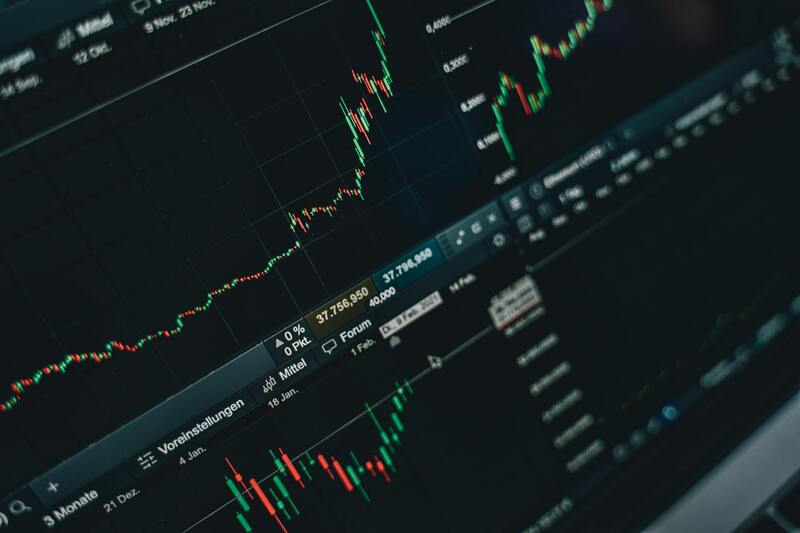
Beyond these core functionalities, many day trading platforms incorporate additional tools such as risk management modules, automated trading capabilities, and integration with various financial data sources. The ability to customize, automate, and swiftly adapt to changing market conditions distinguishes top-tier day trading software from less sophisticated options, enabling traders to optimize their strategies and improve overall performance.
Risk Management and Trade Automation Tools
Effective risk management is fundamental to successful day trading, especially given the high volatility and rapid decision cycles inherent in the market. Modern day trading software integrates comprehensive risk tools that assist traders in minimizing potential losses while maximizing profit opportunities. These tools include preset stop-loss and take-profit orders, which automatically exit trades when predefined price levels are reached, helping traders control their exposure without needing to monitor the markets constantly.
Another essential component is the usage of trailing stops, which dynamically adjust as the asset price moves favorably, locking in gains while still providing room for continued growth. Position sizing calculators are also incorporated, guiding traders on how much capital to allocate to each trade based on their risk tolerance and the current market volatility. Such features promote disciplined trading strategies and prevent emotional decision-making that can lead to overexposure.
In addition to risk controls, trade automation tools have become pivotal in day trading software. These features enable traders to set predefined trading algorithms that execute orders automatically based on specific criteria, such as technical indicator signals or pattern recognition. Automated trading reduces the latency inherent in manual execution and allows traders to capitalize on fleeting opportunities that require rapid action. This automation ensures consistency in applying trading strategies, reducing the possibility of oversight or errors caused by fatigue or distraction.
Furthermore, sophisticated backtesting modules allow traders to evaluate their strategies against historical data to refine their approach, ensuring that their risk management rules are effectively embedded within their trading plan. Integration of these tools with real-time data feeds ensures that traders can respond immediately to market changes and adjust their automation parameters accordingly. This seamless combination of risk controls and automation tools in day trading software creates a robust framework that supports disciplined and responsive trading practices.
To maximize the utility of these features, traders should regularly update and calibrate their risk management settings based on evolving market conditions. Employing comprehensive decision-support tools, such as simulated trading environments and performance analytics, further enhances their ability to manage risk efficiently, ensuring their trading approach remains resilient amid volatility.
Risk Management and Trade Automation Tools
Effective day trading software incorporates comprehensive risk management features designed to protect traders from significant losses while maximizing profit opportunities. These tools facilitate the implementation of disciplined trading strategies by providing capabilities such as setting pre-defined stop-loss and take-profit orders. This ensures that trades are automatically exited once predetermined profit or loss levels are reached, reducing emotional decision-making during volatile market conditions.
Many platforms also offer real-time alerts and notifications that inform traders of drastic price movements or breaches of risk thresholds. Automated position sizing and leverage controls further enable traders to manage their exposure, aligning trading activity with their overall risk tolerance. This automation significantly diminishes the likelihood of overtrading or excessive risk-taking, which are common pitfalls in active trading.
Trade automation tools allow for executing orders swiftly based on specific criteria. For example, traders can develop algorithms that monitor technical indicators and market patterns, triggering buy or sell orders when certain conditions are met. Such automation ensures that trades are executed instantaneously, which is crucial in the fast-paced realm of day trading where seconds can determine profitability.
Advanced software solutions also feature backtesting modules, enabling traders to evaluate their risk management rules against historical data. This process helps refine trading strategies, ensuring that stop-loss levels, entry points, and profit targets are optimally configured. Additionally, integration with real-time data feeds ensures that traders are equipped with the most current market information for making informed decisions quickly.

Criteria for Choosing Day Trading Software
When selecting day trading software, traders should focus on several key criteria to ensure they adopt a platform that aligns with their operational needs and strategic goals:
- User Interface and Accessibility: An intuitive and customizable interface facilitates easier navigation, reducing the learning curve for new traders and enhancing efficiency for experienced professionals.
- Data Feed Accuracy and Speed: Reliable, real-time market data is critical for executing trades based on current market conditions. The software should minimize latency and data discrepancies.
- Order Execution Capabilities: Fast and reliable order execution is essential in day trading to capitalize on fleeting opportunities, making platform speed and stability vital considerations.
- Charting and Technical Analysis Tools: Robust charting features, a wide array of technical indicators, and drawing tools enable traders to perform detailed market analysis.
- Automation and Customization: The ability to develop and implement automated trading strategies offers a significant advantage, especially when combined with backtesting features.
- Security and Data Protection: Ensuring that the platform employs rigorous security protocols is essential to protect trading accounts and sensitive data.
- Customer Support and Training: Access to professional support and educational resources helps traders optimize their use of the software and resolve technical issues swiftly.
Future Trends in Day Trading Software
Emerging developments in day trading software are centered around the integration of advanced artificial intelligence and machine learning algorithms. These technologies enhance predictive capabilities and enable more sophisticated trend analysis, sentiment detection, and anomaly identification. Such innovations lead to more refined decision-support systems that can adapt dynamically to evolving market nuances.
Cloud-based solutions are becoming increasingly prevalent, offering scalability, remote accessibility, and collaborative features for trading teams or educational purposes. With enhanced focus on data security and user privacy, future platforms will likely incorporate multi-factor authentication and blockchain-backed security protocols.
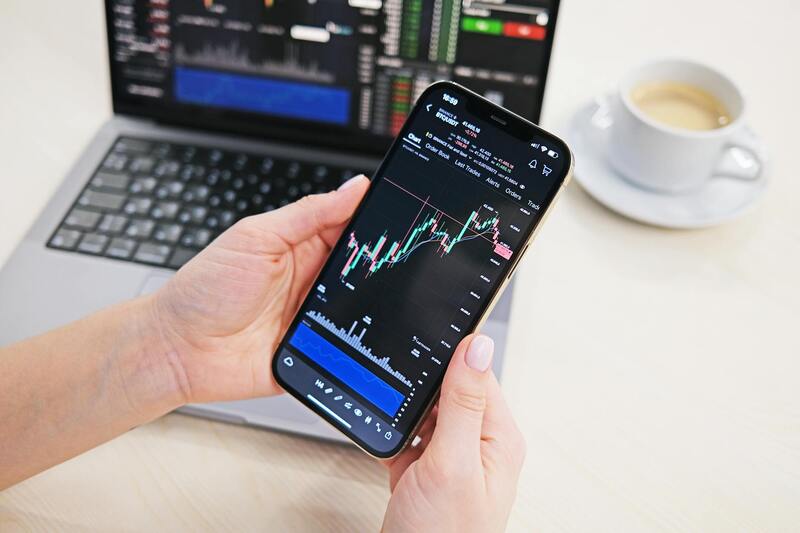
Moreover, the proliferation of mobile trading applications ensures that traders can monitor markets and execute trades from anywhere, using optimized interfaces designed for small-screen devices. These trends collectively aim to provide traders with quicker, smarter, and more resilient tools for navigating the complexities of day trading.
Criteria for Choosing Day Trading Software
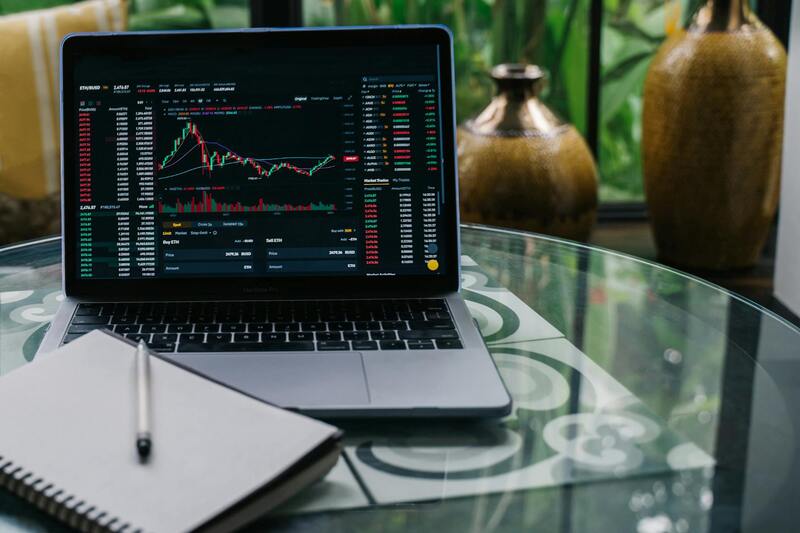
When selecting day trading software, traders must evaluate several critical factors to ensure the platform aligns with their specific trading strategies and operational requirements. Compatibility with existing hardware and operating systems guarantees seamless integration and minimizes technical disruptions, allowing traders to focus on execution and strategy refinement. A reliable software platform minimizes downtime, ensures timely data feeds, and offers stable execution of trades, which are fundamental to successful day trading activities.
Cost considerations extend beyond the initial purchase or subscription fee; traders should assess the overall value offered by the platform. This includes access to advanced analytics, real-time data, customization options, and the quality of customer support. Investing in a platform with transparent pricing and comprehensive features can significantly enhance trading efficiency and profitability.
User interface and ease of navigation are vital components for day traders who operate in fast-paced environments. An intuitive and customizable user interface enables traders to monitor multiple charts, indicators, and news feeds simultaneously without distraction. Additionally, comprehensive training resources, tutorials, and responsive customer support services are indispensable for mastering complex features and troubleshooting issues promptly.
Best Practices for Using Day Trading Software
Optimal utilization of day trading software involves a disciplined approach that combines technical proficiency with strategic planning. Traders should dedicate time to thoroughly understand their chosen platform, including all tools and features, to maximize its potential. Regularly reviewing trading strategies and adapting the use of software tools accordingly enhances decision-making accuracy.
Implementing a structured trading routine, supported by the software’s automation and risk management features, helps maintain discipline amid market volatility. Using automated alerts, stop-loss orders, and take-profit levels can protect positions from adverse movements and lock in gains effectively. It is also essential to continually update the software and its features, as providers often roll out improvements that can influence trading efficiency and security.
Additionally, traders should backtest their strategies within the platform using historical data to evaluate potential performance. Keeping detailed logs of trading activity and analyzing outcomes allows for ongoing refinement of techniques. Maintaining awareness of market news and integrating it into the software's analysis tools ensures more comprehensive decision-making during rapid market shifts.

Advanced Analytical Tools in Day Trading Software
Modern day trading software incorporates a range of sophisticated analytical tools designed to enhance traders' decision-making processes. These tools often include real-time data analysis, advanced charting capabilities, and customizable indicators that allow traders to identify pattern formations, trend reversals, and entry or exit points with greater precision.
One key feature is the availability of customized technical studies. These enable traders to develop personalized indicators based on specific market behaviors, helping to tailor strategies to unique trading styles. Additionally, comprehensive order flow analysis tools provide insights into market depth and liquidity, offering a granular view of supply and demand dynamics.
Automated Trading and Algorithmic Strategies
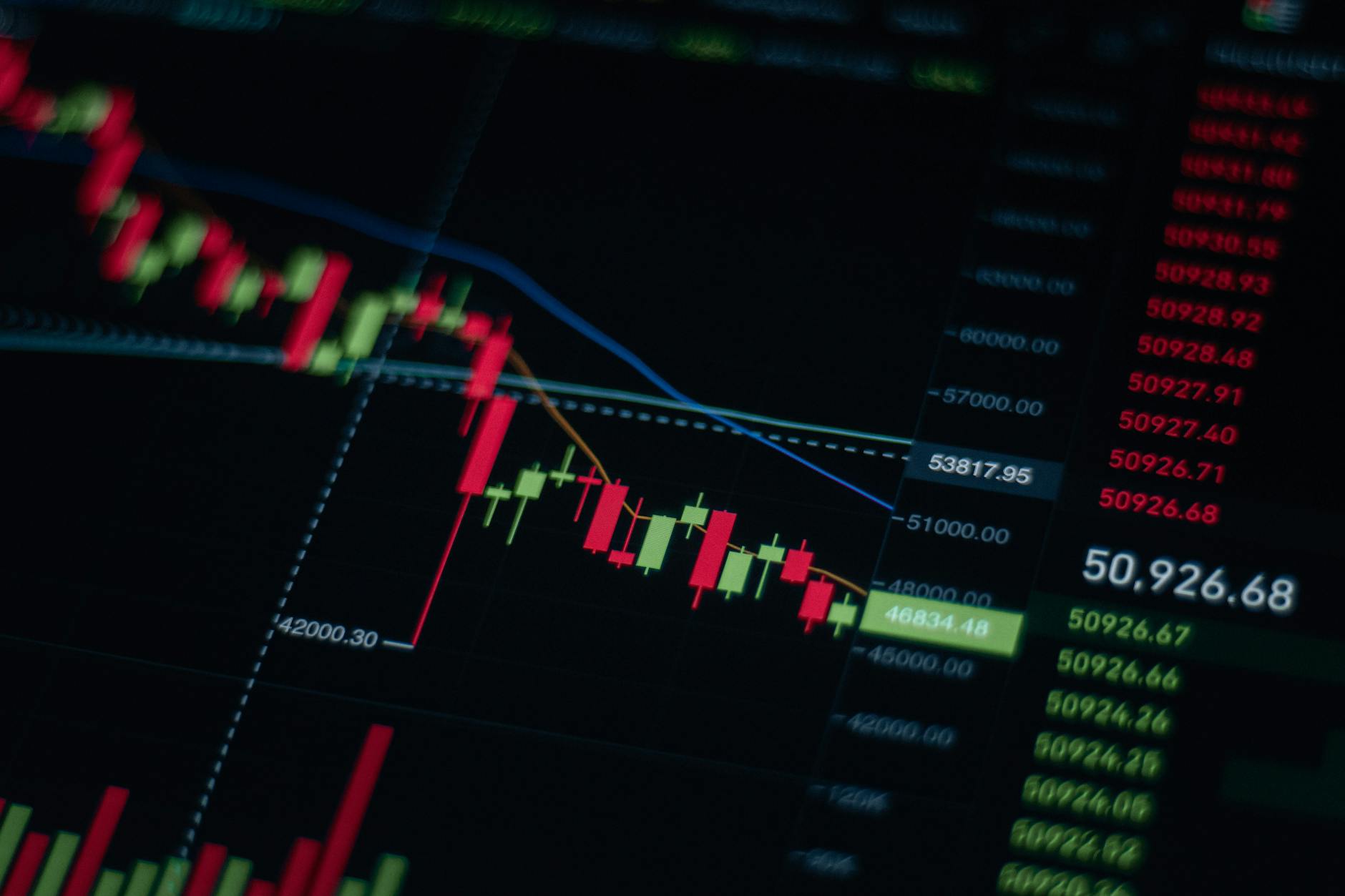
Automated trading capabilities allow traders to execute predefined strategies automatically. These systems utilize algorithms that can analyze multiple data points simultaneously, identify optimal trade setups, and execute orders at speeds impossible for manual trading. This automation is particularly useful during volatile trading sessions where rapid decision-making is crucial.
Algorithmic strategies can be programmed to follow strict rules, such as executing trades based on specific indicator signals or market conditions. Traders often employ backtesting features to evaluate their algorithms against historical data to optimize performance before deployment in live markets. When properly configured, automation reduces emotional bias and helps maintain disciplined trading routines.
Trade Journals and Performance Monitoring
Effective day trading software includes tools for comprehensive trade journaling and performance analytics. These features enable traders to track their activity, analyze trade outcomes, and identify patterns that influence success or failure. Continual review of trading performance supports ongoing refinement of strategies and adjustments to trading plans.
Security Measures for Day Trading Software
Safeguarding sensitive trading information is paramount. Leading platforms integrate robust security protocols including encrypted data transmission, multi-factor authentication, and regular security audits. These measures ensure that traders' accounts and data remain protected against unauthorized access.
Furthermore, platforms often feature secure login credentials management and activity logs that monitor and record access points, providing transparency and accountability. Maintaining a secure environment also involves keeping the software up-to-date with the latest security patches and updates provided by the platform developers.
User Interface and Customization Options
Intuitive user interfaces significantly impact a trader’s ability to operate efficiently. Day trading software with customizable dashboards allows users to organize tools, charts, and alerts according to personal preferences. This flexibility facilitates rapid access to crucial information during high-pressure trading moments.
Customizable hotkeys, layout options, and alert settings contribute to a smoother workflow and reduce the likelihood of errors. The ability to tailor interfaces enables traders to focus on relevant metrics, thereby enhancing their overall trading performance.
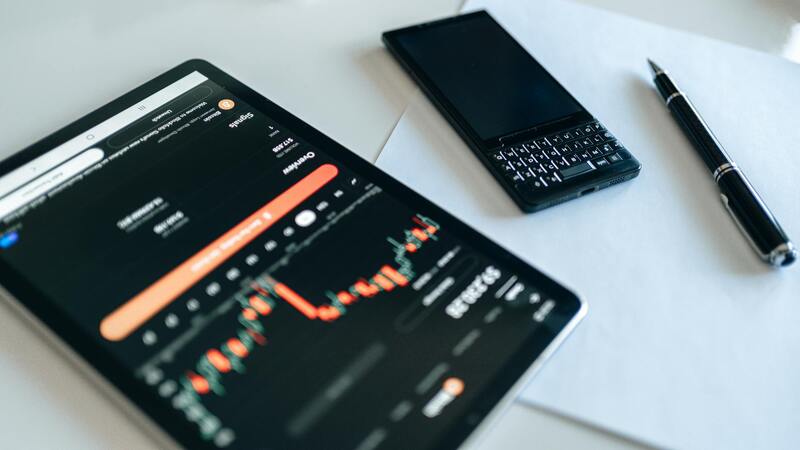
Comprehensive Methods for Utilizing Day Trading Software Effectively
Maximizing the potential of day trading software involves adopting structured approaches that enhance decision-making, improve execution speed, and mitigate risks. Skilled traders leverage legitimate and official methods, emphasizing disciplined strategies and systematized workflows to stay ahead in fast-paced markets.
Developing a Robust Trading Routine
An organized trading routine ensures consistency and minimizes impulsive decisions. Traders should establish pre-market preparations, such as reviewing recent market movements, analyzing news, and setting predefined goals. This routine should include checking the latest updates on the trading platform, validating setup configurations, and confirming that all necessary tools and indicators are functioning correctly.
Comprehensive Market Analysis
Effective utilization of day trading software requires combining technical and fundamental analysis. Traders should employ the platform’s charting capabilities with a suite of technical indicators—such as moving averages, RSI, Bollinger Bands—and overlay real-time news feeds for contextual insights. This integrated approach facilitates better understanding of market conditions and helps identify high-probability entry and exit points.

Automated Trading and Strategized Entry/Exit Points
Utilizing automated trading features within day trading software demands strict adherence to well-tested strategies. Traders should program automated orders based on specific criteria—such as breakout levels, trend reversals, or indicator signals—and ensure these scripts are backtested under various market conditions. Automation reduces emotional bias, maintains discipline, and enables rapid order execution that human traders might struggle to match.
Implementing Risk Management Protocols
Risk management is central to sustainable trading. Proper use of trading software includes setting stop-loss and take-profit levels for every trade, alongside maintaining strict position sizing rules. Advanced platforms often feature risk calculators, alerts, and automatic order adjustments to safeguard capital during volatile swings. Traders should regularly review these parameters, especially during changing market environments, to adapt their risk exposure accordingly.
Continuous Learning and Strategy Optimization
Market conditions are ever-changing, requiring traders to update and refine their approaches. Proper use of day trading software entails continuous education—participating in professional seminars, analyzing trading logs, and staying current with market trends. Software analytics tools can provide performance metrics, helping traders identify strengths and weaknesses, which informs iterative adjustments to improve overall effectiveness.
Maintaining Discipline and Record-Keeping
Discipline is reinforced through meticulous record-keeping of all trades executed via the software. Maintaining detailed logs aids in performance review, pattern recognition, and ensuring adherence to trading plans. Many platforms offer integrated journal features that automatically capture trade data, facilitating regular analysis to discern successful strategies and eliminate ineffective ones.

Utilizing Customer Support and Continuous Updates
Legitimate and reputable day trading software providers offer comprehensive customer support, including manuals, tutorials, and technical assistance. Staying current with updates and new features extends the software's capabilities and safeguards against vulnerabilities. Traders should actively engage with support resources and regularly apply updates to benefit from enhanced tools, security patches, and improved user experience.
Enforcement of Security Best Practices
Ensuring the security of trading activities involves adhering to best practices such as enabling multi-factor authentication, securely managing passwords, and regularly monitoring account activity logs. These measures prevent unauthorized access and enable quick response to potential threats, fostering a safe trading environment.
Executing effective day trading with reputable software hinges on disciplined application of these methods, continuous learning, and systematic review. By aligning with official procedures and leveraging platform capabilities to their fullest, traders can execute trades more efficiently, manage risks proactively, and optimize performance in competitive markets.
